Maximilian Davis: Elegance, Friendship, and the Art of Black Dandyism
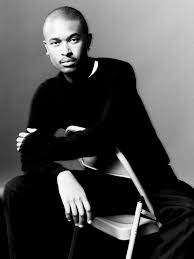
first met Maximilian Davis in 2015 on a photo shoot for a high-street brand—one of those early jobs that seem fleeting at the time but later reveal themselves as quietly life‑defining. Max still laughs when he recalls how, in my unmistakably husky voice, I said with perhaps too much confidence, “We have a lot of friends in common—what’s up.” It wasn’t framed as a question. It was an opening, a declaration, and the start of a friendship that would stretch across cities, seasons, and milestones.
From that first meeting, it was clear that carried something rare: a natural elegance that was neither loud nor performative. It was the kind of grace that fills a room without demanding attention—a presence rooted in assurance rather than spectacle.
The Quiet Elegance of Maximilian Davis
What struck me most about Maximilian Davis was his restraint. His elegance did not rely on excess or dramatics; instead, it lived in intention. His smile—wide, warm, and luminous—had the power to cut through the darkest clubs and the heaviest moods. And we did love the night.
That elegance became a constant in our friendship. Whether in crowded basements, whispered FaceTime calls, or extravagant Fashion Week parties, Max remained grounded, observant, and deeply thoughtful. His ability to balance joy with discipline is what makes not only a designer but a poet of form.
London as a Creative Portal
Our friendship took shape in London—a city that felt less like a location and more like a portal. London was gritty and generous, chaotic yet expansive. It welcomed makers, misfits, dreamers, and thinkers without asking for pedigree. Curiosity was the currency, and stamina was essential.
At the time, I had just begun modeling full‑time. Thanks to my British passport—I was, according to family lore, born in a bathtub in Kentish Town—I could move freely between London and New York. London offered a particular freedom: circles that overlapped unexpectedly, conversations that lasted until morning, and opportunities born from proximity rather than privilege. It was within this ecosystem that Maximilian Davis and I became constants in each other’s lives
A Friendship Built on Reverence and Vision
From underground spaces to grand rooms, our friendship has always been rooted in reverence. His reverence for poetry expressed through design, and mine for presence, discipline, and play. Together, we shared a language—one made of beauty, rigor, humor, and experimentation.
Now, years later, that shared language brought us to the Met Gala. From early beginnings to one of fashion’s most symbolic stages, our journey reflects not only personal growth but a shared commitment to craft.
The Met Gala: Narrative Through Dress
This marked my sixth Met Gala, and each appearance carries its own mythology, its own emotional climate. Working closely with my beloved stylist Carlos Nazario, we approach the Met as a storytelling exercise. Silhouettes, fabrics, and restraint become narrative tools.
For the beauty look, my dear friend Fara Homidi and I leaned into balance—fresh, honest skin paired with a strange yet sophisticated powdery red lip that intentionally refused to match the dress. My hair, sculpted by the angelic Joey George, reimagined the classic French twist into something alien and architectural, echoing a seam and subtly nodding to the theme.
Maximilian Davis and the Meaning of Black Dandyism
He embodies Black dandyism not as a surface aesthetic, but as inheritance and strategy. Black dandyism is not about assimilation; it is about subversion. It rejects narrow ideals of thinness, whiteness, and wealth, replacing them with precision, intention, and self‑definition. It is defiance wrapped in silk.
Through his work, Maximilian Davis demonstrates that elegance can be radical, and that refinement can be a form of protest.
A Character Between Eras: Glamour Meets Futurism
The character I imagined for this moment was a 1920s renaissance woman—surrounded by poets and musicians—who, after years of indulgence and beauty, chooses to enter a cryogenic capsule set for 2040. This tension between eras guided every design decision.
Nothing was obvious. The feather was sharp rather than romantic. The silhouette was columned instead of soft. The faux fur appeared graphic black, modernized with grosgrain detailing. Each element was a conversation, a deliberate refusal of expectation. This precision was intentional—a language Maximilian Davis would immediately understand.
Wearing Ferragamo: A Decade in the Making
To wear Ferragamo tonight was to honor a decade of survival, sculpting, discipline, and play. It represented the sacred act of building something meaningful in the margins—quietly, carefully, and with conviction.
has always seen me—my contradictions, my evolution, my intent. Tonight, my hope is that the world sees him too, and understands what elegance can truly look like when it is rooted in purpose, heritage, and courage.
Conclusion: The Enduring Legacy of Maximilian Davis
More than a designer, Maximilian Davis is a cultural force. His work reminds us that fashion can hold memory, resistance, and imagination all at once. In a world often drawn to noise, his elegance offers clarity—and in that clarity, possibility.
Frequently Asked Questions (FAQs)
Who is Maximilian Davis?
Maximilian Davis is a British fashion designer known for his refined, minimalist aesthetic and his thoughtful approach to modern luxury. He is widely recognized for redefining elegance through precision, restraint, and cultural storytelling, and for his role as Creative Director at Ferragamo.
What is Maximilian Davis known for in the fashion industry?
Maximilian Davis is known for blending classic tailoring with contemporary silhouettes, using fashion as a language of identity, heritage, and quiet rebellion. His work often reflects themes of Black dandyism, modern masculinity, and disciplined elegance.
Why is Maximilian Davis considered influential today?
Maximilian Davis is influential because he represents a new generation of designers who prioritize intention over excess. His designs challenge traditional luxury norms by centering inclusivity, cultural depth, and intellectual rigor rather than spectacle.
What is the design philosophy of Maximilian Davis?
The design philosophy of is rooted in restraint, precision, and emotional resonance. He believes elegance does not need to be loud and often uses subtle details—such as tailoring, texture, and proportion—to convey strength and identity.
How does Maximilian Davis interpret Black dandyism?
For , Black dandyism is not a trend but an inheritance. It is a form of resistance and self-definition that uses refinement and style as tools of empowerment, rejecting narrow ideals of beauty while asserting presence and authority.
What makes Maximilian Davis’s work at Ferragamo distinctive?
At Ferragamo, modernizes the brand through clean lines, sculptural silhouettes, and a contemporary color palette, while still respecting its heritage. His approach bridges tradition and futurism with clarity and confidence.
Why is Maximilian Davis important in contemporary culture beyond fashion?
Beyond fashion, Maximilian Davis is important because his work engages with broader conversations about identity, representation, and cultural legacy. He demonstrates how clothing can function as storytelling, strategy, and social commentary.
How does Maximilian Davis approach elegance differently?
Unlike performative luxury, treats elegance as discipline. His work emphasizes balance, proportion, and thoughtfulness, proving that true sophistication lies in intention rather than excess.
What can emerging designers learn from Maximilian Davis?
Emerging designers can learn from the value of patience, clarity of vision, and authenticity. His career shows that consistency, cultural awareness, and restraint can be as powerful as bold experimentation.
Why does Maximilian Davis resonate with creatives and artists?
Maximilian Davis resonates with creatives because he understands fashion as a collaborative and emotional practice. His respect for art, poetry, and personal narrative allows others to see themselves reflected in his work.



Post Comment