Lyocell Qué Es: The Sustainable Fiber Changing Fashion and Home Textiles
What Is Lyocell Qué Es?
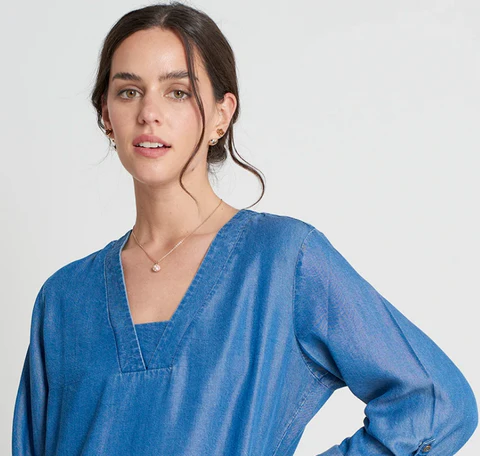
Lyocell qué es refers to a semi-synthetic fiber derived from natural wood pulp, usually eucalyptus, beech, or pine. It is part of the regenerated cellulose family, similar to viscose, but its production is far more environmentally responsible. Essentially, it is wood transformed into a soft, breathable, and durable fabric that feels luxurious to the touch.
| Feature | Details |
|---|---|
| Fiber Type | Semi-synthetic (regenerated cellulose) |
| Source | Wood pulp (eucalyptus, beech, pine) |
| Brand Names | TENCEL® Lyocell, Lenzing Lyocell |
| Texture | Smooth, soft, silk-like |
Lyocell qué es is highly sought after because it combines comfort, strength, and sustainability. Its silky-smooth texture, excellent moisture absorption, and hypoallergenic properties make it perfect for sensitive skin. In simple words, it is a modern fiber that brings together nature and science for a sustainable, comfortable fabric.
How Lyocell Is Made and Its Sustainability
The production of lyocell qué es involves a closed-loop system, where nearly all the chemicals used to dissolve the wood pulp are recovered and reused. N-methylmorpholine N-oxide (NMMO) is the primary solvent, which dissolves the cellulose before it is spun into fibers. Over 99% of this solvent is recycled, drastically reducing environmental harm compared to traditional viscose production.
| Step | Description |
|---|---|
| Wood Sourcing | Sustainable plantations, often FSC-certified |
| Pulping | Wood is converted into cellulose pulp |
| Solvent Spinning | NMMO dissolves the pulp and forms fibers |
| Recovery | Majority of solvent recycled in closed-loop |
The resulting lyocell qué es fiber is strong, soft, and eco-friendly, making it an attractive option for conscious consumers. Because of its minimal chemical use and high recycling efficiency, it is one of the most sustainable regenerated fibers available.
Properties and Benefits of Lyocell Qué Es
Lyocell qué es is celebrated for its luxurious softness, often compared to silk or premium cotton. It is breathable, absorbs moisture efficiently, and keeps the skin cool and comfortable. This makes it ideal for clothing, especially for warm climates or activewear, where comfort and sweat management are key.
Its durability and resistance to wrinkles are also notable. Lyocell qué es is biodegradable and can naturally decompose under the right conditions, which is a significant environmental advantage. Its versatility allows it to be blended with cotton or polyester, enhancing texture, comfort, and longevity without compromising its eco-friendly qualities.
Limitations and Challenges of Lyocell Qué Es
Despite its many advantages, lyocell qué es has some limitations. First, it tends to be more expensive due to the advanced production process. Garments made from lyocell require gentle washing, air drying, and low-temperature ironing to maintain their shape and texture.
Additionally, lyocell fibers may shrink or wrinkle under high heat. The dyeing process can also be challenging, limiting the range of colors. Finally, not all lyocell products come from sustainable sources, so consumers should verify certifications and brand transparency to ensure they are purchasing responsibly.
Lyocell Qué Es vs Other Fibers
Lyocell qué es offers distinct benefits compared to other fibers:
- Vs Cotton: Softer, more absorbent, and uses less water in production.
- Vs Viscose/Rayon: Cleaner and less toxic production process due to the closed-loop system.
- Vs Polyester: Breathable and biodegradable, unlike synthetic polyester.
| Fiber | Key Benefit | Environmental Impact |
|---|---|---|
| Lyocell Qué Es | Soft, durable, eco-friendly | Low |
| Cotton | Natural, breathable | High water use |
| Polyester | Durable, inexpensive | Non-biodegradable |
| Viscose | Soft, silky | Toxic chemicals |
These comparisons help consumers make informed choices when seeking sustainable, comfortable fabrics.
Common Uses of Lyocell Qué Es
Lyocell qué es is extremely versatile. In clothing, it is used for shirts, dresses, activewear, lingerie, and pants. Its softness and breathability make it ideal for garments that come in direct contact with the skin.
For home textiles, lyocell is found in bed sheets, pillowcases, towels, and blankets. It is also used in specialty products like diapers, medical dressings, and hygiene fabrics. Combining lyocell with other fibers enhances strength and texture while maintaining comfort and sustainability.
Caring for Lyocell Garments
Proper care is essential to preserve lyocell qué es:
- Washing: Use cold water and a gentle cycle with mild detergent.
- Drying: Air dry or use low heat in a dryer to prevent shrinkage.
- Ironing: Low temperature prevents damage.
- Storage: Avoid sharp objects to prevent snags or tears.
Following these steps ensures longevity, softness, and shape retention.
Lyocell Qué Es: Is It Really Eco-Friendly?
Lyocell qué es is considered eco-friendly because of its closed-loop production system and sustainable wood sourcing. It is biodegradable and uses fewer harmful chemicals than traditional viscose. Certifications like FSC or TENCEL® Lyocell help confirm its environmental credibility.
While it is not perfect—environmental benefits depend on the actual production and sourcing—lyocell qué es remains one of the most sustainable options for environmentally-conscious consumers.
Conclusion
Lyocell qué es is a semi-synthetic, eco-friendly fiber that combines softness, durability, and sustainability. Perfect for consumers looking for comfortable and long-lasting clothing or home textiles, it represents a greener alternative to conventional fabrics. Despite some care and cost considerations, its benefits make it a worthwhile choice for both fashion and sustainability.
FAQs (100 words each)
1. Is lyocell qué es natural or synthetic?
Lyocell qué es is semi-synthetic. It is made from natural wood pulp but processed with chemicals in a closed-loop system. This makes it eco-friendlier than polyester and more sustainable than traditional viscose.
2. Can lyocell qué es shrink?
Yes, lyocell qué es can shrink with high heat. To prevent this, wash in cold water, air dry, and use low-temperature ironing. Proper care preserves fabric shape and softness.
3. Is lyocell qué es breathable?
Absolutely. Lyocell qué es wicks moisture efficiently and allows airflow, keeping skin comfortable and dry, which is ideal for warm weather and activewear.
4. How long does lyocell qué es last?
With proper care, lyocell qué es garments can last for years. Gentle washing, air drying, and avoiding high heat maintain softness, color, and strength.
5. Is lyocell qué es eco-friendly?
Yes. Lyocell qué es is biodegradable, produced in closed-loop systems, and often sourced from sustainable plantations. Always check certifications to ensure responsible production.
Read more: Smart Casual Dress Code for Women: A Complete Guide Made Simple


Post Comment