What is Cloud Computing?

Introduction
In today’s digital world, cloud computing has become a crucial part of how we store data, run applications, and access technology. Simply put, cloud computing allows you to use the internet to store and access data instead of relying solely on your computer or local devices.
From checking emails to streaming movies and running businesses online, cloud computing powers almost everything we do digitally. Its convenience, cost-effectiveness, and flexibility make it a technology that everyone — from students to large corporations — can benefit from.
In this article, we will explain what is, how it works, its types, benefits, real-world examples, and why it matters for the future.
https://en.wikipedia.org/wiki/Cloud_computing
How Cloud Computing Works
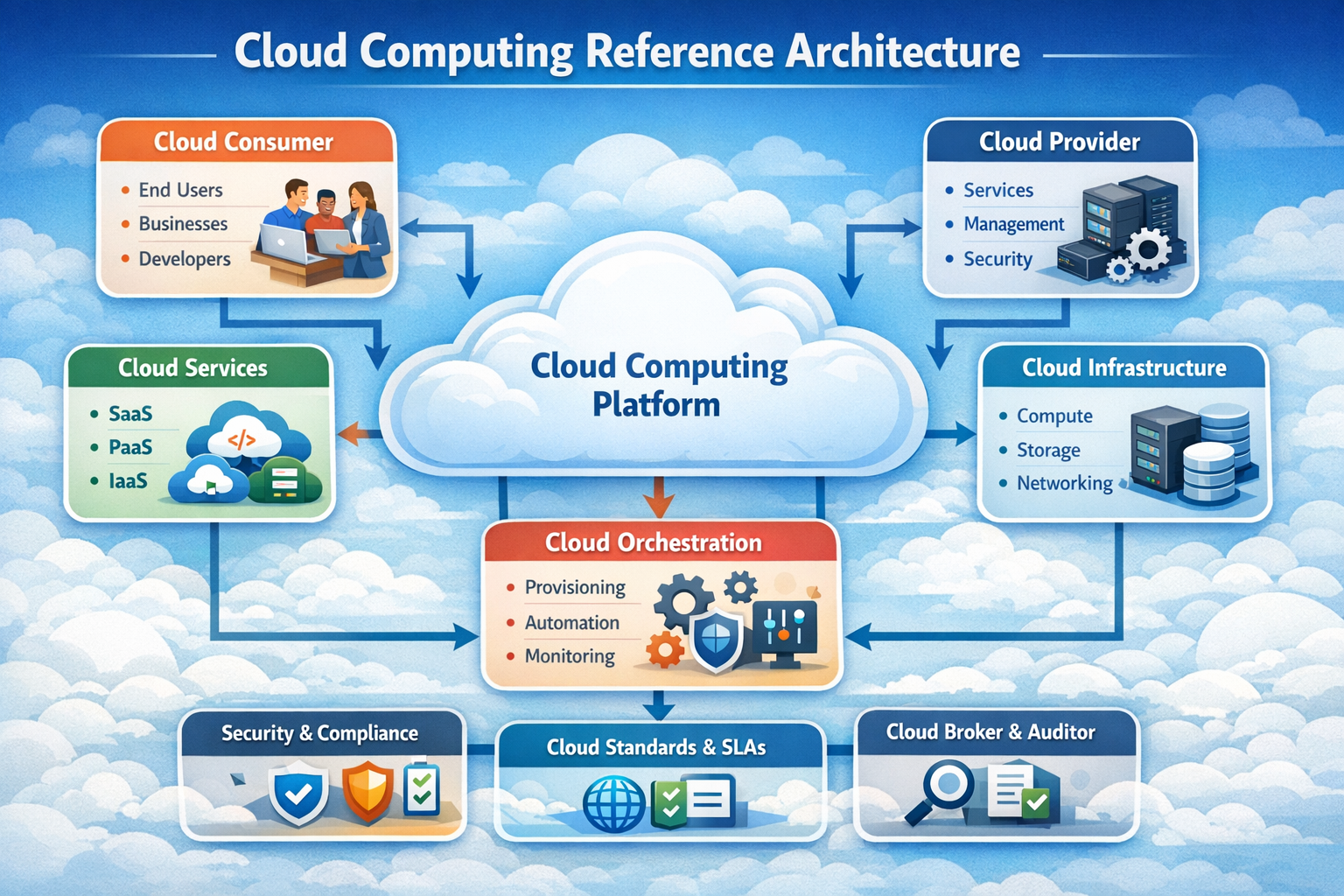
works by delivering computing services over the internet, including servers, storage, databases, networking, software, and more.
Here’s a simple breakdown:
- Data Storage: Instead of saving files on your personal computer, data is stored on remote servers called the cloud.
- Access Anywhere: You can access your files, software, and applications from anywhere with an internet connection.
- Managed Services: The cloud provider manages the hardware, software, and updates, so you don’t have to worry about maintenance.
- Scalability: You can easily increase or decrease resources like storage or computing power based on your needs.
In short, frees users from hardware limitations and allows easy access to technology anytime, anywhere.
Types of Cloud Computing
is generally divided into three main types:
| Type | Description | Examples |
|---|---|---|
| IaaS (Infrastructure as a Service) | Provides virtualized computing resources over the internet | Amazon Web Services (AWS), Microsoft Azure |
| PaaS (Platform as a Service) | Offers a platform for developers to build, test, and deploy applications | Google App Engine, Heroku |
| SaaS (Software as a Service) | Delivers software applications over the internet, ready to use | Gmail, Zoom, Dropbox |
Understanding these types helps businesses and individuals choose the right solution for their needs.
Benefits of Cloud Computing
Cloud computing offers numerous advantages that make it appealing for both personal and professional use:
- Cost Efficiency: No need to buy expensive hardware or worry about maintenance costs.
- Accessibility: Access your data and apps from anywhere in the world with an internet connection.
- Scalability: Easily adjust resources according to your needs without any hassle.
- Security: Leading cloud providers implement strong security measures, including encryption and backups.
- Automatic Updates: Software and applications automatically update, keeping you current with the latest features.
These benefits make an attractive choice for startups, large companies, and everyday users alike.
Real-World Examples of Cloud Computing
Cloud computing is everywhere, often without us realizing it. Some common examples include:
- Google Drive & Dropbox: Cloud storage and file sharing platforms.
- Netflix & Spotify: Streaming services that rely on cloud servers to deliver content globally.
- Zoom & Microsoft Teams: Video conferencing and collaboration tools hosted on the cloud.
- Amazon Web Services (AWS): Provides cloud infrastructure for businesses to host websites, apps, and services.
These examples show how touches both personal and professional lives in practical ways.
Cloud Computing Trends in the USA
Cloud computing is evolving fast, especially in the USA where technology adoption is high. Some key trends include:
- Artificial Intelligence & Machine Learning Integration: Businesses use AI-powered cloud platforms to analyze data and make smarter decisions.
- Edge Computing: Combining cloud with local processing to improve speed and efficiency.
- Remote Work Solutions: Cloud-based collaboration tools support the growing trend of remote work.
- Cybersecurity Focus: Cloud providers are offering advanced security solutions to protect sensitive data.
These trends show that isn’t just a convenience — it’s a critical part of modern technology infrastructure.
Why Cloud Computing Matters
Cloud computing is no longer optional. For businesses, it offers flexibility, cost savings, and scalability. For individuals, it provides easy access to data, apps, and digital services.
By understanding, you can make better choices about software, storage, and digital tools. Whether you’re a small business owner in California, a student in New York, or a professional working remotely from anywhere in the USA, simplifying your digital life.
Conclusion
Cloud computing is transforming the way we store, access, and use technology. It offers efficiency, accessibility, and security, making it essential for both personal and professional purposes.
By leveraging , you can work smarter, save money, and stay connected anywhere in the world. As technology advances, the importance of will continue to grow, shaping the future of how we live and work digitally.
Read more: What Is Artificial Intelligence?


Post Comment