Choosing the Best Raincoat for Kids: A Simple Parent Guide
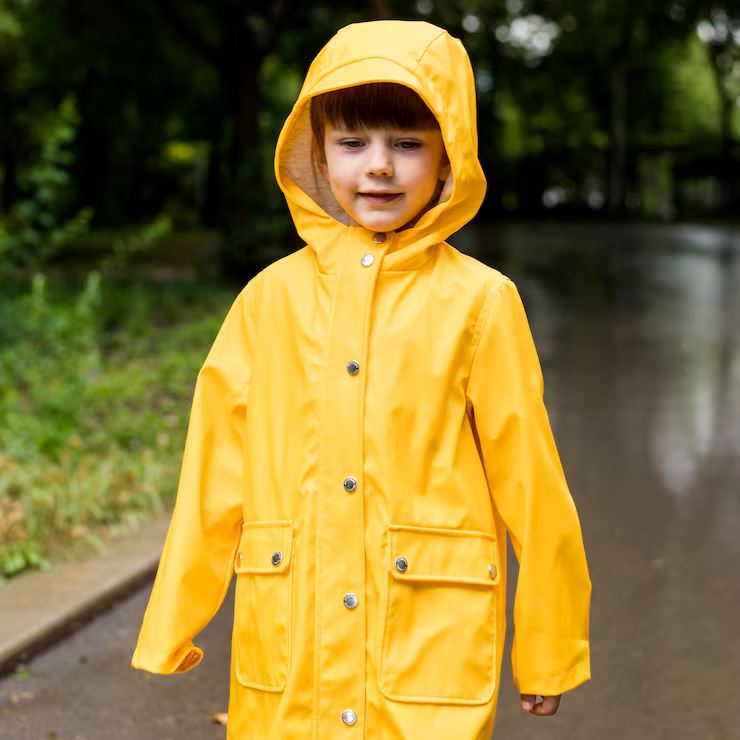
A raincoat for kids isn’t just a cute piece of clothing — it’s something that keeps your child dry, comfortable, and able to enjoy the day even when the weather doesn’t cooperate. Whether it’s for school, outdoor play, or a family outing, the right raincoat helps children move freely without feeling cold or soaked. Many parents overlook how much difference a good raincoat makes until they try one that truly works.
The aim of this guide is to help you understand what matters when buying a children’s raincoat. We’ll explore materials, features, styles, comfort, and safety — in easy words that any parent can follow. By the end, you’ll be able to pick the best raincoat for your child without confusion or stress.
Why Kids Need a Good Raincoat
A proper raincoat for kids keeps children dry during rainy school mornings, wet playgrounds, and weekend adventures. Kids tend to move around a lot, so a basic coat that soaks through easily can leave them uncomfortable or shivering. A good raincoat allows them to enjoy their routine without worrying about the weather, and you won’t have to deal with damp clothes or frustrated children.
Rain also reduces visibility, especially during early mornings and evenings. Many raincoats for kids include reflective lines or bright colors that make children easier to spot. This is especially helpful near roads, bus stops, or crowded areas where safety matters just as much as staying dry.
Key Factors When Choosing a Raincoat for Kids
Material & Waterproofing
When choosing a raincoat for kids, the fabric plays a big role in how well it protects from water. The most common materials are polyester, nylon, and PVC. Polyester and nylon are light, flexible, and easier for kids to move in, while PVC offers strong waterproofing but may feel heavier. Some raincoats use breathable coatings so children don’t get sweaty inside. A waterproof coating helps water roll off instead of soaking through.
Raincoats also differ in how well they block water. Some have sealed or taped seams so rain can’t sneak in through stitching. For parents in very rainy areas, choosing a coat with sealed seams makes a noticeable difference. The balance of waterproof and breathable materials ensures that kids stay dry without overheating during active play.
Quick Comparison Table
| Material | How It Helps Kids |
|---|---|
| Polyester | Light, flexible, dries fast |
| Nylon | Strong, breathable, good for active kids |
| PVC | Very waterproof but less breathable |
Comfort, Fit & Breathability
Comfort is one of the most important things when picking a kids raincoat. If it feels stiff or heavy, your child may avoid wearing it. A comfortable raincoat usually has a soft lining, a smooth inner surface, and space for a sweater underneath. Raincoats that are too tight can make movement difficult, especially at school where kids run, play, and bend throughout the day.
Breathability helps prevent sweat buildup. Some raincoats include tiny vents under the arms or on the back, which allow fresh air to flow in. This keeps kids from feeling hot and sticky inside the coat. A well-fitting raincoat with good airflow helps children enjoy rainy weather with ease.
Durability & Safety Features
Kids often play roughly, so durability matters. A good raincoat has strong stitching, quality zippers, and a tear-resistant fabric. Many brands also add extra reinforcement around elbows and shoulders since those areas wear out faster. Parents often choose durable raincoats so they can be used for more than one season.
Safety features also play a key role. Reflective strips on sleeves, pockets, or the back help drivers notice children during dark or foggy weather. Bright colors like yellow, orange, or neon green also improve visibility. These small details greatly increase your child’s safety during rainy mornings or evenings.
Types of Raincoats for Kids
Poncho-Style Raincoats
Poncho-style raincoats are loose, easy to slip on, and great for quick protection during sudden rain. Because they are wide and open, they allow plenty of airflow, which keeps children cool. They’re also ideal for kids carrying school bags, as the poncho drapes over both the child and the bag without needing extra space.
However, ponchos might flap in the wind or feel oversized for very active kids. While they are convenient, they may not be the best choice for long rainy walks or school days. Ponchos are better suited for light rain or occasional outdoor use where quick coverage is all that’s needed.
Jacket-Style Raincoats
Jacket-style raincoats for kids offer a closer and more secure fit. They usually come with zippers, buttons, or snaps that keep the coat firmly in place. This style is ideal for school days, walks, or active play since the fitted shape reduces movement restrictions. Many jacket-style coats also include hoods shaped to stay in place during wind or fast movement.
These jackets often have pockets, inner linings, and better waterproof layers. They provide more complete protection in steady rain compared to ponchos. If your child often spends time outdoors every day, a jacket-style raincoat is usually the most reliable choice.
Small Table — Poncho vs Jacket
| Type | Best For |
|---|---|
| Poncho | Quick rain, covering school bags |
| Jacket | Daily use, long walks, better protection |
How to Choose the Right Raincoat for Your Child
For School Use
For school days, choose a lightweight raincoat for kids that fits easily inside a backpack. It should be breathable so children don’t feel sweaty during classroom activities. Bright-colored raincoats with safety strips help teachers and parents spot children easily when they walk to school or wait near the bus. Pockets are useful for small items like snacks or gloves.
A school raincoat also needs to handle frequent use. Something with strong stitching, a dependable zipper, and a comfortable hood makes everyday wear easier. School environments require raincoats that can be worn quickly without help and still offer full coverage
For Outdoor Play & Travel
For outdoor adventures, durability matters most. Choose a raincoat that can survive running, climbing, and rough play without tearing. Fabrics with strong waterproof layers and sealed seams will keep kids dry, even in heavy rain. Breathable coatings are important too, because children move more during outdoor play and buildup of heat can make them uncomfortable.
For travel, a packable raincoat is often the best option. Some raincoats fold into small pouches and fit easily inside bags or under stroller seats. These lightweight coats help families stay ready for unexpected weather, especially on vacations or outdoor trips.
Caring for a Kids Raincoat
Cleaning & Drying
A raincoat for kids lasts longer when cleaned the right way. Most raincoats need gentle washing in cold or warm water using mild detergent. Strong chemicals can damage the waterproof layer, so avoid bleach or harsh cleaners. After washing, let the raincoat air-dry instead of using a dryer, as heat can weaken the fabric coating.
Regular care keeps the raincoat performing well. Dirt buildup can reduce waterproofing, so cleaning it occasionally helps water roll off more easily. When drying, hang the raincoat in a well-ventilated place to prevent odors and maintain its shap
Maintaining Waterproofing
Over time, waterproof coatings may weaken. Many parents choose to reapply a water-repellent spray every few months, especially if the coat is used often. These sprays refresh the outer layer so rain continues to slide off instead of soaking in. Check the tag for instructions because some materials need specific types of waterproof treatment.
Storing the raincoat properly also helps maintain quality. Avoid folding it when still wet, as moisture can cause fabric damage or unpleasant smells. A dry, cool storage area keeps the raincoat fresh and ready for use.
Safety Standards to Look For
Certifications & Child Safety
When choosing rainwear for kids, it’s important to check that the material is safe and free from harmful chemicals. Certifications like OEKO-TEX Standard 100 ensure the fabric has been tested for substances that could irritate a child’s skin. This is especially useful for younger children who have more sensitive skin.
Also look for raincoats with safe zippers, buttons, and snaps. There should be no small detachable pieces that can become choking hazards. Reflective elements are another key safety feature that parents should not overlook, especially for kids who walk or bike to school.
Conclusion
Finding the right raincoat for kids becomes easier once you know what to look for. The ideal raincoat keeps your child dry, comfortable, and safe while still being easy to wear. Good materials, proper fit, breathability, and durability all play important roles. A well-chosen raincoat supports your child’s daily activities — whether at school, during outdoor play, or while traveling with the family.
With the guidance in this article, you can confidently choose a raincoat that lasts through rainy seasons, protects your child well, and gives them the freedom to enjoy the weather without worry.
FAQs (100 words total)
1. How do I choose the right size raincoat for my child?
Choose a size with a little room for sweaters but not too loose. Check the brand’s size chart for accuracy.
2. Are breathable raincoats better for active kids?
Yes, breathable fabrics help prevent sweating during play or walking short distances.
3. Can my child use a poncho for school?
Ponchos work for quick use, but jacket-style raincoats protect better during long school days.
4. How often should I replace a kids raincoat?
Replace it when the fabric tears, waterproofing fades, or the size becomes too tight.
5. Are bright colors better for safety?
Yes, bright colors and reflective strips make kids easier to see during rainy weather.
Read more: Adorable Golden Retriever Puppy Raincoat: The Cutest Way to Keep Your Pup Dry


Post Comment