Photography Career and Major Projects of Mark Laita
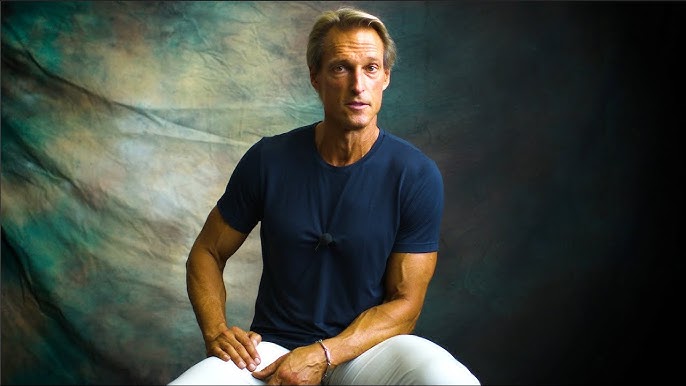
Mark Laita’s photography career began long before his YouTube success. He built his reputation in the competitive world of commercial and fine art photography, creating images that were clean, elegant, and visually powerful. His early work appeared in major ad campaigns for Apple, Visa, Adidas, BMW, and Mercedes-Benz, where he mastered the art of simplicity and color balance. What made his work stand out was his attention to detail — every shot had purpose, emotion, and visual harmony.
But it wasn’t just about corporate success for Mark. He wanted to use his skills to explore the human condition. This led him to create “Created Equal,” one of his most famous photography projects. The series featured portraits of people from drastically different walks of life — from rich to poor, powerful to powerless. Mark photographed a judge and a convict, a nun and a prostitute, and even a banker and a homeless man, all against the same plain black background. The message was clear: behind our differences, we are all equal as humans.
Mark’s dedication to this idea set him apart from most photographers. His art wasn’t about glamour but about truth. “Created Equal” became both a book and a traveling exhibition, receiving praise for its honesty and simplicity. It marked a turning point in his career, proving that photography could be more than beauty — it could be empathy in visual form.
Soft White Underbelly: Mark Laita’s Human Storytelling Channel
Mark Laita’s journey took a new direction with his project Soft White Underbelly, a YouTube channel that now has millions of followers worldwide. The name “Soft White Underbelly” comes from a military term describing a vulnerable spot — a fitting title for a series that shows the vulnerable side of humanity.
In this channel, Mark sits down with people living on society’s edge — drug addicts, sex workers, runaways, gang members, and victims of abuse — and lets them tell their stories freely. The setup is simple: one chair, a dark background, and an honest conversation. These stories often reveal trauma, regret, and hope in ways that scripted shows never could. His calm and respectful way of interviewing allows people to open up and share moments that are raw and deeply emotional.
While the channel receives enormous praise for raising awareness about social issues, it also faces criticism. Some people question whether showing such pain online is ethical. Mark has addressed these concerns by emphasizing that his intention is not exploitation, but understanding. He also uses the platform to raise money, connect participants with help, and offer second chances to those ready to rebuild their lives.
The impact of Soft White Underbelly cannot be denied — it has become one of the most important social documentaries of our time, opening eyes to realities that most people ignore.
Quick Information: About Soft White Underbelly
| Aspect | Details |
|---|---|
| Launched | 2016 (Gained fame after 2019) |
| Platform | YouTube |
| Focus | Interviews with marginalized individuals |
| Purpose | To share real human stories and raise awareness |
| Notable Episodes | The Whittaker Family, Addiction Stories, Homeless Interviews |
Style, Philosophy, and Artistic Vision of Mark Laita
Mark Laita’s photography and video work share a single philosophy — find beauty in truth. His minimalist style removes distractions, allowing the subject’s emotions and story to take center stage. He avoids fancy camera angles, background music, or heavy editing. Instead, he believes in stillness, where silence and words carry more power than effects.
What makes his approach so different is his deep empathy for his subjects. He doesn’t treat them as “cases” or “characters,” but as people with real emotions. In interviews, Mark often says that he wants viewers to feel the same connection he feels behind the camera. This emotional connection makes his work timeless.
In both his photography and video interviews, recurring themes appear — equality, compassion, and humanity. He invites the audience to look beyond stereotypes and recognize that every person has a story shaped by circumstance, not just by choice. This perspective helps break down prejudice and replaces judgment with understanding.
Achievements, Recognition, and Influence of Mark Laita
Over the years, Mark Laita has achieved more than just fame. His projects have been displayed in galleries and exhibitions around the world, inspiring artists, photographers, and social documentarians. His book “Created Equal” received global attention, and Soft White Underbelly became one of the most-watched documentary channels on YouTube, with millions of subscribers and hundreds of millions of views.
But beyond awards, his biggest achievement is his impact on people. Through his work, he has inspired kindness, awareness, and conversation. Teachers use his videos to discuss empathy in classrooms. Nonprofits share his content to highlight social issues. And thousands of viewers have supported interviewees by donating or offering assistance.
Mark’s influence also extends to other creators who now see the power of storytelling through honesty and vulnerability. His approach proves that even in a digital world full of filters and perfection, truth still has a place — and it connects us more deeply than anything else.
Challenges, Criticisms, and Lessons from Mark Laita’s Work
Mark’s work isn’t without challenges. Documenting real people’s pain is emotionally heavy. He often meets people struggling with addiction, trauma, or violence. Building trust with them requires patience, kindness, and respect. Sometimes, people relapse or face backlash after interviews, and Mark has to deal with the moral weight of that.
Critics have also accused Soft White Underbelly of being exploitative or sensational. However, Mark consistently defends his project, explaining that his goal is understanding, not judgment. He ensures that many participants receive help — whether it’s a path to rehab, housing, or community support. These efforts show that he sees his subjects not just as interviewees but as humans who deserve dignity.
The greatest lesson from Mark’s journey is that storytelling has power — power to heal, to connect, and to change how we see the world. His career reminds us that behind every face, there’s a story worth listening to.
What’s Next for Mark Laita
Mark Laita continues to expand his creative vision. Besides new episodes of Soft White Underbelly, he has hinted at more documentary projects and possibly another book. He remains passionate about showing life from the inside out — giving voice to those who rarely get heard. His mission is to make empathy a normal part of everyday media, not something rare.
Looking ahead, Mark aims to use his platform to support rehabilitation programs and create opportunities for people he’s interviewed. In his own words, “The stories I share are mirrors. They reflect what society looks like when we stop pretending everything’s fine.”
Through his honesty and compassion, Mark Laita has built more than a career — he’s built a movement that continues to grow with every story shared.
FAQs About Mark Laita
1. Who is Mark Laita?
Mark Laita is an American photographer and filmmaker best known for his YouTube channel Soft White Underbelly, which shares real-life interviews with people from marginalized backgrounds.
2. What is Soft White Underbelly about?
It’s a YouTube series that documents honest interviews with people such as homeless individuals, drug addicts, and survivors of trauma, highlighting their humanity.
3. What was Mark Laita’s first major project?
His first major project was Created Equal, a portrait series showing people from opposite worlds — rich and poor — photographed with the same dignity.
4. Why is Mark Laita’s work controversial?
Some critics argue that showing vulnerable people on camera can be exploitative. However, Mark focuses on raising awareness and helping participants after filming.
5. Where can I see Mark Laita’s work?
You can find his photography online and watch Soft White Underbelly on YouTube, where he continues to share new stories weekly.




Post Comment